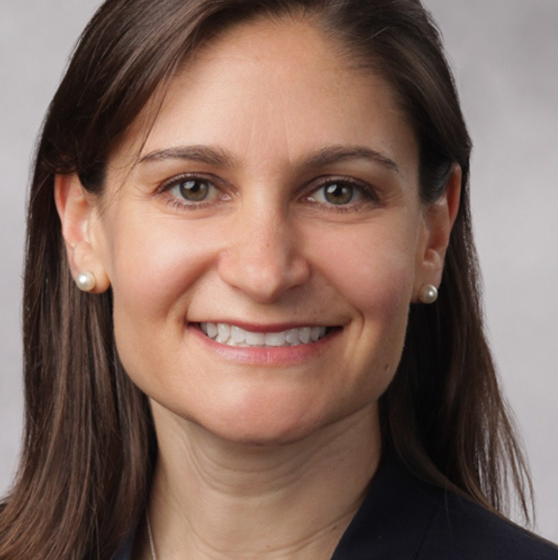

Lindsey Seldin Obituary, Death – The academic, medical, and scientific communities are mourning the loss of Dr. Lindsey Seldin, PhD, a respected researcher, educator, mentor, and assistant professor whose contributions to biomedical science and medical research have left a lasting impact on colleagues, students, and institutions across the field. Her passing has created a profound sense of loss among those who had the privilege of working alongside her and learning from her dedication to discovery and innovation.
Dr. Seldin served as an Assistant Professor in Emory University’s Departments of Cell Biology and Dermatology and was a valued member of the Cell and Molecular Biology Program at the Winship Cancer Institute. Throughout her career, she earned recognition not only for her scientific accomplishments but also for her commitment to mentorship, collaboration, and advancing knowledge that could improve the lives of patients around the world.
The announcement of her passing was met with sadness throughout the Emory and Winship communities. Colleagues described her as a brilliant scientist whose work helped push the boundaries of understanding in important areas of human health and disease. Her research contributions significantly advanced the study of inflammatory skin disorders and cancer biology, providing valuable insights that continue to influence ongoing scientific investigation.
Throughout her career, Dr. Seldin was driven by a passion for understanding complex biological processes and translating scientific discoveries into meaningful opportunities for improved treatment strategies. Her work helped identify new mechanistic pathways and therapeutic targets, opening doors to future advances in the treatment of inflammatory skin diseases and various forms of cancer.
In a field where innovation often requires years of dedication, persistence, and collaboration, Lindsey distinguished herself through her intellectual curiosity and commitment to excellence. Her research was characterized by both scientific rigor and a genuine desire to improve patient outcomes through deeper understanding of disease mechanisms.
Beyond her accomplishments in the laboratory, Dr. Seldin was admired for the qualities that defined her as a colleague and mentor. Those who worked alongside her consistently describe a scientist who combined exceptional intelligence with humility, kindness, and generosity. She was known for creating an environment where students, trainees, and fellow researchers felt supported, encouraged, and inspired to pursue their own scientific goals.
For many aspiring scientists, Lindsey’s mentorship was transformative. She invested time and energy into helping students and junior researchers develop not only technical expertise but also confidence in their abilities. Her guidance extended beyond research projects, often shaping careers and influencing the next generation of scientific leaders.
Colleagues remember her as someone who valued collaboration and understood that meaningful scientific progress is often achieved through teamwork. Her willingness to share knowledge, offer support, and celebrate the achievements of others made her a deeply respected member of the academic community.
The impact of Dr. Seldin’s work extends far beyond the institutions where she served. Scientific discoveries contribute to a broader body of knowledge that shapes future research, informs clinical approaches, and ultimately improves patient care. Through her dedication and expertise, she helped advance understanding in areas of medicine that affect countless individuals and families worldwide.
Her contributions to the fields of cell biology, dermatology, and cancer research will continue to influence scientific inquiry for years to come. Researchers building upon her findings will carry forward the work she helped pioneer, ensuring that her legacy remains an active part of ongoing efforts to better understand and treat complex diseases.
As news of her passing spread, tributes from colleagues, former students, collaborators, and members of the broader scientific community reflected the profound respect and admiration she inspired. Many shared memories of her intellectual brilliance, her kindness, and the encouragement she provided throughout their professional journeys.
While the scientific community has lost an exceptional researcher, those who knew Lindsey personally mourn the loss of a cherished friend, mentor, and colleague. Her warmth, integrity, and commitment to helping others left an impression that extended far beyond her professional achievements.
In moments like these, the true measure of a life becomes evident not only through accomplishments but through the lives touched along the way. Dr. Seldin’s legacy is reflected in the students she mentored, the colleagues she inspired, the discoveries she advanced, and the patients who may ultimately benefit from the scientific progress she helped create.
As Emory University, the Winship Cancer Institute, and the broader research community remember Lindsey Seldin, they do so with gratitude for her contributions and admiration for the person she was. Her dedication to science, education, and mentorship serves as an enduring example of excellence and compassion.
Though her passing leaves a tremendous void, her influence remains woven into the work she accomplished and the many lives she touched throughout her career. Her legacy will continue through future discoveries, ongoing research, and the countless individuals who were inspired by her example.
Dr. Lindsey Seldin will be deeply missed, fondly remembered, and forever honored by colleagues, students, friends, and loved ones.
Rest in peace, Dr. Lindsey Seldin. Your contributions to science, your dedication to mentorship, and your impact on the lives of others will never be forgotten.